Home Energy Rating System Report Boston MA for Building Permits | HERS Report Boston Home Energy Rating System Report Boston MA for Building Permits If you are trying to pull a building permit in Boston, MA, you may be required to submit a Home Energy Rating System (HERS) report as part of the Massachusetts energy code compliance process. We specialize in permit-stage HERS reports in Boston, helping homeowners, builders, and developers get the documentation they need quickly so permits can be approved without delays. Get Permit Report Read Reviews What Is a Home Energy Rating System Report for a Boston Building Permit? A Home Energy Rating System report is an energy model used to show that a residential project is designed to meet Massachusetts energy code requirements. In Boston, this report is often required before a building permit can be issued. It reviews insulation, window performance, air sealing, heating and cooling systems, ventilation, and water heating to confirm compliance. When You Need a HERS Report to Pull a Permit in Boston Most residential projects in Boston require a permit-stage HERS report, including: New construction homes Accessory dwelling units (ADUs) Additions Major renovations Multifamily residential buildings Change of use projects Boston Neighborhoods We Serve for Permit HERS Reports We provide Home Energy Rating System reports for permits throughout all Boston neighborhoods, including: Back Bay, Beacon Hill, South End, North End, Seaport District, Downtown Boston, Charlestown, East Boston, Dorchester, Roxbury, Jamaica Plain, Hyde Park, West Roxbury, Roslindale, Allston, Brighton, Fenway, and Mission Hill. Permit-Stage HERS Report vs Final Report Permit-Stage Report This report is used to pull your building permit. It is based on plans, insulation values, window specs, and equipment selections. Final HERS Report After construction, testing is completed to verify the building matches the approved permit-stage report. Required Testing Blower door testing, duct leakage testing, and field verification are often required before final approval. Why Boston Permits Get Delayed Without a Proper HERS Report Energy report not submitted with permit application Incorrect insulation or window values Equipment not matching the energy model Report completed too late in the process How We Help You Pull Your Permit Faster We focus specifically on helping projects in Boston get through the permit stage smoothly by: Providing fast HERS report turnaround Reviewing plans before submission Coordinating with builders and architects Helping prevent costly changes after approval Boston HERS Report for Permit FAQ Do I need a HERS report to pull a permit in Boston? Yes, many residential projects require energy documentation before permit approval. When should I get the report? Before ordering windows, insulation, or HVAC equipment. What happens after the permit is approved? A final report and testing are completed to verify compliance. Serving Boston MA Nearby Areas We also help with permit-stage HERS reports in Cambridge, Somerville, Medford, Brookline, Newton, and surrounding areas. Need a HERS Report to Pull Your Boston Permit? Contact us today for fast, reliable Home Energy Rating System reports designed specifically for building permit approval in Boston. Get Started
Home Energy Rating System Reports for Building Permits in Massachusetts
Home Energy Rating System Report for Building Permits in Massachusetts | Energy Code Help Home Energy Rating System Report for Building Permits in Massachusetts If you are applying for a building permit in Massachusetts, understanding when a Home Energy Rating System report is required can save time, reduce permit delays, and help prevent expensive changes during construction. Many residential projects in Massachusetts need a permit-stage Home Energy Rating System report and then a final report with testing at the end of the project. This often applies to new construction, additions, accessory dwelling units, major renovations, multifamily residential buildings, and some change of use projects. Get Permit Help Read Google Reviews What Is a Home Energy Rating System Report? A Home Energy Rating System report is an energy model used to measure the projected performance of a residential building. It helps show whether a project is designed to meet Massachusetts energy code requirements based on insulation levels, window performance, air sealing, ventilation equipment, heating and cooling equipment, and water heating equipment. For many building permits in Massachusetts, this report is a key part of the approval process. It also helps keep the project aligned with the approved design all the way through final testing and final inspection. Why a Home Energy Rating System Report Matters for Building Permits Supports Permit Submission Many towns and cities need energy documentation early so the building department can see that the project is capable of meeting Massachusetts code requirements. Helps Avoid Costly Changes Reviewing the report before ordering windows, insulation, heating equipment, cooling equipment, ventilation equipment, or water heating equipment can prevent expensive corrections later. Keeps Construction on Track When the design, specifications, and installed systems all match the approved report, final testing and final inspection usually move much more smoothly. When a Home Energy Rating System Report Is Commonly Required in Massachusetts New construction homes Accessory dwelling units Additions Major renovations Whole-house remodels Multifamily residential buildings Residential conversions and some change of use projects Projects that need permit-stage energy code documentation Permit-Stage Report and Final Report Preliminary Home Energy Rating System Report The preliminary report is generally used during the permit phase. It is based on the plans, proposed insulation levels, window values, ventilation strategy, and mechanical equipment selected for the project. This is the stage where it is most important to make sure the design and equipment choices are correct before products are purchased or installed. Final Home Energy Rating System Report The final report is used after construction and testing to verify that the completed building matches the approved energy model. This may include blower door testing, duct leakage testing, insulation inspection, and field verification of installed systems. If the installed work does not match the preliminary report, corrections may be needed before final approval. Common Problems That Delay Permit Approval or Final Inspection Products Ordered Too Early One of the most common issues is when windows, insulation, ventilation equipment, heating equipment, cooling equipment, or water heating equipment are ordered before the energy model is fully reviewed. Installed Work Does Not Match the Approved Report Even a good preliminary report can become a problem if the installed insulation, equipment efficiency, window values, or ventilation details change without updating the model. Important Note The earlier the Home Energy Rating System report is reviewed, the easier it is to keep the project aligned with code requirements. Waiting until after products are purchased or installed often creates unnecessary delays and added costs. Project Types That Often Need Extra Attention Accessory Dwelling Units Accessory dwelling unit projects often have tight design constraints, so early energy modeling is especially important before insulation and mechanical choices are finalized. Additions and Renovations Existing building conditions can make these projects more complex, especially when envelope work, ventilation, and heating systems are being updated at the same time. Multifamily and Conversion Projects These projects often involve more coordination and should be reviewed carefully before equipment and envelope details are locked in. What a Good Home Energy Rating System Report Review Helps You Do Understand what the project needs before permit submission Reduce the chance of ordering the wrong products Keep the design aligned with Massachusetts code requirements Prepare for final testing and final inspection Avoid costly changes late in construction Improve the chance of a smoother permit process from start to finish Real Client Reviews Rated 5.0 stars with 124 Google reviews Homeowners, builders, contractors, and developers repeatedly mention responsiveness, clear communication, quick turnaround, practical guidance, and help with both permit-stage reports and final verification. ★★★★★ “Dominic is the best! He worked with my contractor to create a Home Energy Rating System estimate to submit to the town to get the permit before work started, and followed up again to inspect the insulations and run tests, to submit the final certificate.” Prashant Kamath ★★★★★ “We’ve had the pleasure of working with Dominic Zammuto on multiple projects, and he has been nothing short of excellent every single time. His communication is clear, professional, and consistent.” Rob Daniel ★★★★★ “Great experience working with Dominic on our accessory dwelling unit project. He is very responsive, works fast, and truly understands the customer’s needs. He made the whole process much easier for us.” anotai sompatsorsiri ★★★★★ “No one can make the Massachusetts Home Energy Rating System assessment process as simple and straightforward as Dominic and his team. Start to finish he explained everything I needed to know.” David Biondolillo ★★★★★ “These are the best raters I have dealt with. My preliminary report was holding up my building permit and they had it to me the following day.” ALLQUALITY STORE LLC ★★★★★ “Easy to work with. Responded to multiple questions over months of building a home. Showed up on time and most importantly got us the rating we needed for our new construction build.” Nick Pike Read more Google reviews Massachusetts Home Energy Rating System Report Frequently Asked Questions What is a Home Energy Rating System report for a building permit in Massachusetts? A Home
HERS Rating Boston MA (2026 Guide) | Energy Code & Stretch Code Help
What HERS Score Is Required in Boston? | Boston HERS Rating & Energy Code Help What HERS Score Is Required in Boston? If you are building a new home, adding an ADU, renovating an existing property, or converting a building to residential use in Boston, knowing the required HERS score early can save time, money, and permit headaches. Boston projects commonly follow the Massachusetts Stretch Energy Code and Specialized Code pathways, and the exact HERS target depends on building type, fuel type, and whether the project is new construction, multifamily, or existing-building work. Boston HERS Rating Boston Energy Code Help Boston HERS Score Requirements Explained A HERS score, or Home Energy Rating System score, is a measurement of a building’s projected energy performance. Lower numbers are better. In Boston, the allowed HERS score depends on whether the home is all-electric or mixed-fuel, whether it is an ADU, and whether the project is new construction, multifamily, or a major alteration, addition, or change of use. That is why it is so important to review the code path and the HERS model before equipment is ordered. HVAC systems, ventilation systems, insulation levels, windows, and water heating all affect whether the project will meet the required target. What HERS Score Is Required in Boston? Boston projects typically follow the Massachusetts Stretch Energy Code / Specialized Code pathways, and the required HERS score depends on whether the project is all-electric, mixed-fuel, an ADU, a major renovation, or a multifamily building. All-Electric New Construction HERS 45 or lower For new construction dwelling units under the residential stretch pathway, all-electric buildings are capped at HERS 45. Code Reference: R406.5 Mixed-Fuel New Construction HERS 42 or lower For new construction dwelling units under the residential stretch pathway, mixed-fuel buildings are capped at HERS 42. Code Reference: R406.5 Accessory Dwelling Units (ADUs) 55 all-electric / 52 mixed-fuel ADUs are allowed higher HERS caps than standard new construction dwelling units under the same stretch and specialized code framework. Code References: R406.5, RC102, RC103, RC104 Major Renovations, Additions, or Change of Use Typically HERS 65 to 75 Major alterations, additions, and change-of-use projects can have higher permitted HERS scores than new construction. Mixed-fuel existing-building work may be around HERS 65, while solar-electric or all-electric combinations can reach the 70 to 75 range depending on the exact pathway. Code Reference: R406.5 Multifamily Buildings 45 / 42 new construction58 / 55 major alterations Multifamily and mixed-use buildings using the commercial HERS path follow a separate table from low-rise residential projects. New construction is generally 45 all-electric and 42 mixed-fuel. Major alterations or change of use are generally 58 all-electric and 55 mixed-fuel. Code Reference: C407.4 Boston HERS Code References R406.5 — Residential Stretch Energy Code ERI/HERS pathway, including new construction, ADUs, and existing-building project categories. C407.4 — Commercial / multifamily stretch HERS pathway for multifamily and mixed-use buildings. RC102 — Zero Energy Pathway. RC103 — All-Electric Pathway. RC104 — Mixed-Fuel Pathway. These sections are the code references commonly used for the HERS limits summarized above. Important Note The exact HERS target can still vary based on building classification, permit date, project scope, solar, embodied carbon credit, and whether the project is being reviewed under residential or multifamily/commercial provisions. For that reason, multifamily and change-of-use projects should always be modeled and reviewed before equipment is ordered. Massachusetts HERS Reference Chart Use this chart as a quick reference for the HERS caps commonly discussed for Massachusetts code pathways. Why Boston Projects Need HERS Planning Early Avoid Ordering the Wrong Equipment HVAC systems, water heaters, windows, and ventilation equipment all affect whether the project matches the energy model. Keep Permits Moving Preliminary HERS support helps many projects move through permit review with fewer surprises. Reduce Expensive Redos Catching issues before installation is usually far easier than fixing them after the job is already in progress. Common Boston Project Types New construction homes Multifamily buildings Triple-decker renovations ADUs and detached accessory units Additions and major alterations Whole-house renovations Commercial to residential conversions Permit-stage preliminary HERS reports Boston Neighborhoods We Serve We provide HERS ratings, energy code compliance, blower door testing, duct leakage testing, and permit support throughout Boston, including Allston/Brighton, Back Bay, Beacon Hill, Charlestown, Chinatown, Dorchester, East Boston, Fenway/Kenmore, Jamaica Plain, Mission Hill, North End, Roslindale, Roxbury, South Boston, South End, West End, West Roxbury, Bay Village, Downtown/Financial District, Fort Point/Seaport, Hyde Park, Longwood, and Mattapan. We provide HERS ratings and energy code compliance throughout all Boston neighborhoods, helping projects meet stretch code requirements and pass inspection the first time. Allston/Brighton Allston/Brighton is known for students, young professionals, and a busy housing market. Renovation and rental property projects here often need HERS ratings and energy code compliance. Back Bay Back Bay is known for Victorian brownstones and historic homes. Projects here often require HERS ratings and energy code compliance for renovations, additions, and multifamily buildings. Beacon Hill Beacon Hill is a historic neighborhood with older rowhouses and tight urban conditions. Many projects here need HERS ratings and careful energy code planning to improve efficiency. Charlestown Charlestown includes historic homes and dense residential areas. Many projects require HERS ratings and energy code compliance for additions, renovations, and multifamily work. Chinatown Chinatown is a dense urban neighborhood near downtown Boston. Projects here often need HERS ratings, ventilation planning, and energy code compliance to stay on track. Dorchester Dorchester features many multifamily and triple-decker homes. These projects commonly require HERS ratings, ERV systems, and energy code compliance to pass inspection. East Boston East Boston includes waterfront homes, multifamily buildings, and active residential development. New construction and renovation projects here often need HERS ratings and code support. Fenway/Kenmore Fenway/Kenmore has a heavy student population and a mix of residential buildings. Projects here often require HERS ratings and energy code compliance for upgrades and renovations. Jamaica Plain Jamaica Plain has a mix of older homes and renovation projects. Achieving compliance often requires HERS ratings, upgraded insulation, and efficient HVAC systems. Mission Hill Mission Hill is known for triple-deckers and
Local Somerville HERS Rater
Energy Code Help Somerville MA | HERS Ratings, Stretch Code & Blower Door Testing Home / Services / Energy Code Help Somerville MA Energy Code Help Somerville MA – Local Experts in HERS Ratings, Stretch Code & Blower Door Testing Home Energy Efficiency Consultants provides energy code help in Somerville MA for homeowners, builders, architects, and developers who need real support meeting Massachusetts stretch code requirements. As a local Somerville business, we help projects move from early design decisions through final testing with a stronger focus on efficiency, compliance, and long-term performance. If you are building a new home, adding onto an existing property, renovating a multi-family building, or trying to make sure your plans meet energy code before ordering windows and equipment, working with a local Somerville HERS rating company can save time, avoid costly changes, and help keep your project on track. Raised in Somerville and operating here locally, Home Energy Efficiency Consultants works directly with local homeowners, builders, and architects to help create homes and buildings that are more energy efficient, easier to approve, and better prepared for inspections and final compliance. What Our Energy Code Help in Somerville MA Includes HERS Ratings We provide HERS rating services in Somerville MA for new construction, additions, renovations, and multi-family projects. Stretch Code Support We help interpret and support Massachusetts stretch code requirements so your project stays aligned from planning through final testing. Blower Door Testing Air leakage testing is often critical for final approval. We help projects prepare for and pass required blower door testing. Equipment Review We review windows, HVAC systems, water heaters, and energy-efficient appliances before they are installed so you avoid expensive surprises later. Why Local Energy Code Help Matters in Somerville Massachusetts energy code and stretch code requirements can be demanding. Projects often run into trouble when efficiency decisions are made too late, when equipment is ordered before confirming compliance, or when the building envelope and air sealing details are not coordinated properly. That is where local experience matters. Home Energy Efficiency Consultants works hands-on with project teams to help avoid those problems. By reviewing details early and helping clients choose the right path, we reduce the risk of rework, delays, failed testing, and unnecessary cost. Helping Builders, Architects, Developers, and Homeowners We work directly with builders, architects, developers, and homeowners throughout Somerville and nearby Massachusetts communities. This hands-on process helps make sure energy performance goals are part of the project from the beginning instead of becoming a problem at the end. Plan and compliance review support Window and equipment selection guidance HERS rating coordination and documentation Blower door testing preparation Stretch code strategy for residential and multi-family projects Rebate and incentive guidance where applicable Trusted by Clients Across Massachusetts Your review file shows strong recurring themes: responsiveness, clear communication, fast turnaround, help with permits and HERS reports, and practical guidance that saves clients time and money. That is a major trust signal for both users and conversion performance. :contentReference[oaicite:1]{index=1} ★★★★★ “Great service. I would definitely use these guys again. They get the job done.” ★★★★★ “These guys are amazing and super responsive. Highly recommend. Easy way to save yourself a bunch of time and money.” ★★★★★ “These are the best HERS raters I have dealt with… preliminary report was holding up my building permit, they had it to me the following day.” ★★★★★ “Dominic was professional and helped make my home more energy efficient.” ★★★★★ “Very Professional! Got my HERS report over to me in a reasonable time frame.” Internal Links That Strengthen This Page To build stronger topical authority and improve crawl paths, this page should point users to closely related Somerville and company pages. That is already built into this version through contextual links to your homepage and your Somerville HERS page. Recommended core links on this page: Home Energy Efficiency Consultants HERS Rating Somerville MA Energy Code Help Somerville MA Once your other city pages are finalized, add a “Nearby Service Areas” section to link this Somerville page to your other local pages using exact-match anchor text for each city. Map and Local Office Information Local signals matter. Showing your Somerville location on-page helps reinforce relevance for city-based searches and supports trust with homeowners, builders, and architects looking for a local expert. Address: 519 Broadway, Somerville, MA 02145 | Phone: (617) 501-6788 | View on Google Maps Frequently Asked Questions What is energy code help in Somerville MA? Energy code help means guidance to make sure your project complies with Massachusetts energy code and stretch code requirements. It can include HERS ratings, blower door testing, insulation and air sealing review, and equipment guidance. Do I need a HERS rating in Somerville MA? Many new homes, additions, and major renovation projects require HERS-related compliance support depending on the code path used and the project scope. A local HERS rater can help determine what is required. Can you help before I order windows or HVAC equipment? Yes. One of the best times to get energy code help is before ordering windows, heat pumps, water heaters, and other major equipment so you avoid costly code or rebate problems later. Do you help with blower door testing? Yes. We help projects prepare for blower door testing and final compliance so they are in a stronger position to pass inspection. Do you help with rebates? Yes. We help clients understand which efficiency upgrades and systems may qualify for available rebates and incentives when properly planned and documented. Need Energy Code Help in Somerville MA? Visit Home Energy Efficiency Consultants, review our HERS Rating Somerville MA service, or call (617) 501-6788 to get your project moving in the right direction. Contact Home Energy Efficiency Consultants 519 Broadway, Somerville, MA 02145 Phone: (617) 501-6788 Website: homeenergyefficiencyconsultants.com Map: Google Maps
Understanding HERS Ratings and Stretch Energy Code Compliance in East Boston
Introduction to HERS Ratings The Home Energy Rating System (HERS) serves as a benchmark for assessing the energy efficiency of residential homes. Established by the Residential Energy Services Network (RESNET), HERS ratings offer a comprehensive evaluation of a home’s energy performance, helping homeowners and buyers understand energy consumption patterns. The ratings are quantified on a scale from 0 to 100, where lower scores denote greater energy efficiency. A home that achieves a HERS score of 0 is deemed a net zero energy home, meaning it produces as much energy as it consumes. To calculate a HERS rating, a certified HERS rater performs an extensive evaluation of the home. This assessment includes inspections of the building envelope, heating and cooling systems, insulation levels, and air leakage. The rater also considers aspects such as solar energy potential and energy-efficient appliances. Each element contributes to the overall score, allowing future homeowners to identify areas for improvement. In the context of home buying and selling, a favorable HERS rating can be a significant selling point. Homes with better energy ratings often attract environmentally conscious buyers, and these ratings can influence sale prices, as energy-efficient homes may lead to lower utility bills. East Boston faces unique energy challenges due to its urban environment, aging housing stock, and the need for modernization to meet the growing demand for energy. By understanding and actively engaging with the HERS rating system, residents and builders can prioritize energy-efficient solutions. This not only benefits individuals through reduced energy costs but also contributes positively to the broader energy economy by promoting sustainable practices in residential construction. Overview of Stretch Energy Code in Massachusetts The Stretch Energy Code is a progressive framework established by the Massachusetts Department of Energy Resources, designed to augment the existing base building energy code. This set of guidelines aims to achieve higher levels of energy efficiency in residential and commercial buildings across the state. The Stretch Code encompasses a range of performance standards that must be adhered to by builders and homeowners who wish to comply with more stringent energy metrics than those defined by the base code. Specific requirements under the Stretch Energy Code include the implementation of energy-efficient building designs, enhanced insulation practices, and improved heating and cooling systems. Also highlighted are specifications for the installation of renewable energy technologies, such as solar panels, which offer long-term economic benefits through reduced energy expenses and increased property value. Compliance with the Stretch Energy Code not only represents an adherence to state regulations but also reflects a commitment to sustainability and responsible energy consumption. For homeowners and builders, the advantages of complying with the Stretch Energy Code are significant. Homeowners may find that the initial investment in energy-efficient upgrades can lead to substantial savings on utility costs in the long run. Additionally, homes built to these standards are often more attractive to prospective buyers, thus enhancing marketability. Community benefits also arise from this compliance through a collective reduction in energy consumption and greenhouse gas emissions, promoting a more sustainable environment for future generations. By fostering energy efficiency and renewable energy use, the Stretch Energy Code plays a vital role in Massachusetts’ broader goals of energy conservation and environmental stewardship. The Impact of HERS Ratings and Stretch Code Compliance on East Boston The Housing Energy Rating System (HERS) ratings and Stretch Energy Code compliance have gained significant traction in East Boston, reflecting a broader trend towards energy efficiency in real estate. These metrics are increasingly influencing property valuation as they convey the energy performance and sustainability of buildings. Properties that meet or exceed HERS standards are often more appealing to prospective buyers who are becoming more environmentally conscious and value sustainability alongside affordability. As a result, homes with high HERS ratings typically command higher market prices, reinforcing the importance of energy-efficient practices. Moreover, these energy codes are pivotal in shaping buyer decisions. Homebuyers in East Boston are now prioritizing energy efficiency as a critical factor in their search for properties. This shift not only enhances property desirability but also fosters an environment conducive to better living conditions through improved air quality. Effective compliance with these energy codes results in reduced emissions and a significant decrease in energy consumption, contributing to a more sustainable urban landscape. Case studies of compliance in East Boston demonstrate positive outcomes, where new developments adhering to the Stretch Code have reported substantial reductions in energy use and operating costs. Such projects serve as models for balancing economic growth with sustainable practices, showcasing how community initiatives can effectively promote energy efficiency. Local organizations are increasingly stepping forward, creating educational programs that raise awareness about the benefits of HERS ratings and Stretch Energy Code adherence, thus fostering a supportive community that advocates for energy efficiency. Conclusion and Future Outlook for Energy Efficiency in East Boston In examining the role of HERS ratings and Stretch Energy Code compliance, it becomes clear that these components are essential in promoting sustainable practices within East Boston. HERS ratings serve as a pivotal tool for assessing the energy performance of residential properties, providing homeowners and builders with actionable insights to improve energy efficiency. Similarly, adherence to the Stretch Code mandates a higher standard for building performance, thereby encouraging developments that not only meet but exceed conventional energy requirements. The current landscape suggests that East Boston is poised for significant advancements in energy efficiency. Future developments may include the introduction of innovative technologies such as advanced energy management systems and smart home solutions, which can empower residents to monitor and reduce their energy consumption effectively. Additionally, community programs aimed at educating homeowners about energy efficiency best practices could further enhance the understanding and application of HERS ratings. Moreover, policymakers have the potential to enact changes that could bolster energy efficiency initiatives. These might involve establishing financial incentives for energy-efficient renovations or providing grants for the adoption of renewable energy sources. Through a combination of these efforts, East Boston can look forward to a more sustainable future, wherein energy-efficient practices are not

Signs Your HVAC System May Fail a Duct Leakage Test
When a home fails a duct leakage test, it’s rarely a surprise to the system — but it’s often a surprise to the homeowner or builder. Duct leakage testing isn’t theoretical. It’s a measurable, code-enforced verification of how much conditioned air escapes through your duct system. If too much air leaks into attics, crawl spaces, or wall cavities instead of reaching living areas, the home fails compliance. At Home Energy Efficiency Consultants, we see the same red flags repeatedly. If you know what to look for early, you can correct problems before inspection day. Uneven Temperatures Throughout the Home One of the clearest warning signs of duct leakage is inconsistent room temperatures. If certain rooms feel: that usually points to supply duct leakage or disconnected duct runs. When conditioned air escapes before reaching the register vents, airflow drops. The HVAC system runs longer trying to compensate, but the rooms furthest from the air handler suffer first. During a duct blaster test, this type of leakage shows up immediately as elevated CFM25 readings. Weak Airflow From Vents If airflow feels weak even when the system is running normally, the problem may not be the furnace or heat pump — it may be leaking duct connections. Common causes include: Air should move under controlled static pressure. When ducts leak, pressure drops and airflow measurement results decline. That imbalance almost guarantees failure during duct pressure testing. High Energy Bills Without a Clear Cause Leaky ductwork wastes energy. Period. If conditioned air is escaping into unconditioned spaces like attics or crawl spaces, the HVAC system must work harder to maintain thermostat setpoints. That increases: A home with significant duct leakage can lose 20–30% of conditioned air before it ever reaches living areas. That’s not just inefficient — it directly impacts energy efficiency ratings and HERS score performance. If your bills feel out of proportion to the home’s size, duct leakage should be investigated. Excessive Dust and Poor Indoor Air Quality Leaky return ducts are especially problematic. When return ducts are unsealed, they can pull: into the HVAC system and distribute them throughout the home. This creates: During testing, high leakage to outdoors often correlates with these conditions. HVAC System Running Longer Than It Should If your system runs long cycles or short cycles frequently, duct leakage may be contributing. Air escaping from supply ducts forces the system to operate longer to compensate. Over time, this leads to: Duct leakage doesn’t just affect comfort — it accelerates mechanical wear on the air handler, evaporator coil, furnace, or heat pump. Visible Installation Issues Sometimes the signs are obvious. If you see: you likely have measurable leakage. Proper duct sealing requires mastic sealant or code-approved sealing methods — not generic tape that deteriorates over time. Improper HVAC installation is one of the most common reasons homes fail energy code compliance testing. Learn More: HERS Duct Testing vs Blower Door Testing: Key Differences Explained Whistling, Rattling, or Air Noise in Ducts Audible duct noise is often a pressure imbalance issue. When static pressure is disrupted due to leakage, airflow may create: While noise alone doesn’t confirm failure, it’s a strong indicator of airflow irregularities that show up during duct blaster testing. The Home Is Preparing for Energy Code Inspection If your project is new construction or a major renovation, and ductwork hasn’t been sealed to current IECC or RESNET standards, you are at risk. Most jurisdictions require: Failing a duct leakage inspection can delay: And rework after drywall or finishes are complete is expensive. What Happens During a Duct Leakage Test Understanding the process clarifies why failures occur. A certified rater uses a duct blaster system to: Results are compared against code requirements and project specifications. If numbers exceed allowable limits, corrections must be made before final approval. This is not a visual guess — it’s performance-based verification. How to Prevent Failing a Duct Leakage Test If any of the signs above apply, corrective action should happen before inspection. Key steps include: Testing early — before finishes are complete — prevents costly rework. Learn More: How to Earn HERS Points with Low GWP Concrete Mixes in Massachusetts Why Early Testing Matters Many builders wait until final inspection to test. That’s a mistake. If duct leakage is excessive, access becomes difficult after drywall, trim, and insulation are complete. Fixing hidden duct runs can require major disruption. At Home Energy Efficiency Consultants, we recommend proactive duct pressure testing during construction phases to catch issues early and protect your project timeline. Energy code compliance should never be left to chance. The Bottom Line If your home has: there’s a strong possibility your system would struggle during a duct leakage test. Duct leakage is measurable. It affects comfort, efficiency, indoor air quality, and inspection approval. Ignoring the signs doesn’t make them disappear — it just delays the inevitable correction. If your project requires verification or you suspect performance issues, professional testing provides clarity. Accurate diagnostics prevent failed inspections, unnecessary delays, and wasted energy. That’s the difference between guessing — and knowing.

How to Earn HERS Points with Low GWP Concrete Mixes in Massachusetts
Massachusetts builders are under increasing pressure to deliver homes that meet aggressive energy and carbon benchmarks. HERS scores are no longer just a marketing metric—they are tied directly to code compliance, incentives, permitting expectations, and resale value. One area that is gaining real traction is the use of low Global Warming Potential (GWP) concrete mixes, particularly in foundations and slabs. Low-GWP concrete does not magically reduce a HERS score on its own. When integrated correctly into the building envelope and documented properly, it supports better thermal performance, cleaner energy modeling results, and smoother verification. This article breaks down exactly how that works in practice. Role of HERS Scores in Massachusetts Residential Construction The Home Energy Rating System (HERS) Index is the primary tool used to quantify the energy efficiency of a residential building. A lower score indicates lower modeled energy consumption compared to a reference home built to minimum code. In Massachusetts, HERS scores are used to: HERS ratings are administered under standards established by RESNET, and while the index is energy-focused, the materials used in the building shell strongly influence modeled outcomes. Concrete, particularly in foundations and slabs, plays a larger role than many builders realize. Global Warming Potential and Concrete Mix Design Global Warming Potential measures how much a material contributes to climate change relative to carbon dioxide. Conventional concrete relies heavily on Portland cement, which is one of the most carbon-intensive materials used in construction. Low-GWP concrete reduces embodied carbon by: Common SCMs include fly ash, slag cement, and other industrial byproducts that dramatically lower carbon emissions per cubic yard of concrete. From a structural standpoint, these mixes perform the same. From an environmental and regulatory standpoint, they perform far better. Connection Between Low GWP Concrete and HERS Modeling HERS modeling does not assign points simply for using low-carbon materials. The benefit comes from how low-GWP concrete supports overall building performance. Concrete foundations and slabs influence: When low-GWP concrete is paired with proper insulation, thermal breaks, and airtight detailing, it enables energy models to show reduced heating and cooling demand—directly lowering the HERS score. If the concrete is poured without coordination, the benefit is lost. Thermal Mass Performance and Energy Stability Concrete has high thermal mass, meaning it absorbs and releases heat slowly. In Massachusetts’ climate, this can stabilize indoor temperatures when designed correctly. Low-GWP concrete performs identically to traditional concrete in this respect. The advantage comes when: This improves modeled heating efficiency in winter and moderates temperature swings during shoulder seasons, both of which are captured in HERS simulations. Compatibility with High-Performance Building Envelopes Low-GWP concrete is commonly used in advanced envelope systems such as: These assemblies reduce energy loads substantially. HERS raters evaluate the envelope as a system, not as individual materials. If low-GWP concrete enables better insulation placement, improved air sealing, or cleaner detailing, it indirectly improves HERS outcomes. Alignment with Massachusetts Energy Codes and Policies Massachusetts is ahead of most states in linking building performance to climate goals. Stretch energy codes, municipal fossil fuel restrictions, and embodied carbon discussions are reshaping expectations for residential construction. Using low-GWP concrete helps projects: While HERS itself focuses on operational energy, local regulators increasingly view low-carbon material choices as part of responsible design. Learn More: Top Causes of Air Leaks in New Homes (And How Massachusetts Builders Can Avoid Them) Documentation Standards Required for HERS Verification This is where many builders fail. If a low-GWP concrete mix is not documented, it does not exist from a verification standpoint. Proper documentation includes: HERS raters rely on documentation to validate assumptions used in modeling. Missing paperwork leads to conservative defaults, which raise the final score. Coordination Timing That Maximizes HERS Benefits The timing of decisions matters more than the material itself. The optimal sequence looks like this: Waiting until after concrete placement eliminates most optimization opportunities. Common Errors That Undermine HERS Performance Several recurring mistakes prevent low-GWP concrete from delivering real value: These errors don’t just reduce efficiency—they inflate costs with no measurable return. Practical Strategies for Builders and Developers Builders aiming for lower HERS scores should focus on execution, not labels. Effective strategies include: This approach reduces surprises during final rating and inspection. Role of Home Energy Efficiency Consultant in Low-GWP HERS Planning Home Energy Efficiency Consultant works with residential builders, developers, and homeowners across Massachusetts to translate material choices into measurable HERS improvements. Their role includes: The goal is not theoretical efficiency—it’s a verified, defensible HERS score that holds up during inspection and resale. Learn More: HERS Duct Testing vs Blower Door Testing: Key Differences Explained Final Perspective Low-GWP concrete is not a shortcut, a gimmick, or a marketing checkbox. In Massachusetts, it is a tool that—when used intelligently—supports stronger envelope performance, cleaner energy modeling, and future-ready compliance. If it’s specified late, poorly documented, or disconnected from the building system, it delivers nothing. If it’s integrated early and executed properly, it becomes part of a measurable strategy that lowers HERS scores and reduces long-term risk.
HERS Duct Testing vs Blower Door Testing: Key Differences Explained
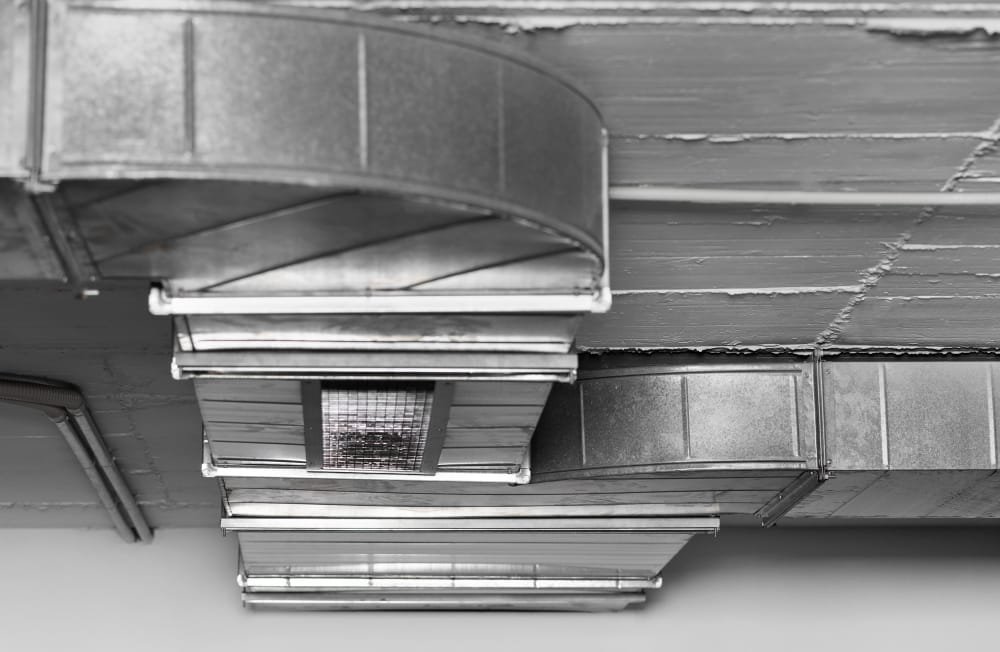
Energy efficiency testing is often misunderstood, even by contractors who claim to specialise in it. Two of the most commonly confused diagnostics are HERS duct testing and blower door testing. They are frequently mentioned together, sometimes bundled into a single “energy test,” and often explained poorly. They are not the same. They do not measure the same thing. They do not solve the same problems. Treating them as interchangeable leads to incorrect fixes, wasted money, and continued comfort issues. This article breaks down the functional differences, testing processes, use cases, and limitations of both methods so homeowners, builders, and property managers understand exactly when each test is needed and how the results should be interpreted. Purpose and Scope of Each Test HERS duct testing focuses exclusively on air leakage within HVAC duct systems. It measures how much conditioned air escapes before reaching the living space. The structure of the home is not evaluated during this test. Blower door testing focuses on air leakage through the building envelope. It evaluates the tightness of walls, ceilings, floors, windows, doors, and all penetrations between conditioned and unconditioned space. The HVAC duct system is not isolated or measured independently. Both tests assess air leakage, but they apply that measurement to entirely different systems. Duct System Leakage Measurement During HERS duct testing, the duct system is sealed and pressurised using a duct blaster fan. Registers are temporarily blocked, and pressure is applied directly to the ductwork. The test measures: Results are expressed as CFM (cubic feet per minute) at a specific pressure, usually CFM25. This test identifies: A home can pass a blower door test and still fail duct leakage limits badly. That scenario is far more common than people expect. Building Envelope Air Leakage Measurement Blower door testing uses a large calibrated fan mounted into an exterior doorway. The fan depressurises or pressurises the entire house, forcing air through every crack and opening in the building envelope. The test measures: Results are expressed as ACH50, which indicates how many times the air inside the home is replaced per hour at 50 Pascals of pressure. This test exposes: It evaluates how well the house itself separates indoor and outdoor air—not how air moves through ducts. Differences in Energy Loss Impact Duct leakage wastes energy after it has already been paid for. Heated or cooled air escapes into unconditioned space, forcing the HVAC system to work harder to maintain set temperatures. Envelope leakage increases energy demand before comfort is even established. Outside air constantly enters the home, requiring additional heating, cooling, and dehumidification. In practical terms: Fixing one does not automatically improve the other. Testing Conditions and Preparation HERS duct testing requires: Blower door testing requires: Neither test can be rushed without compromising accuracy. Poor preparation leads to misleading data, which leads to incorrect recommendations. Learn More: Duct Leakage Testing Explained: Boosting Efficiency & Comfort in Massachusetts Home Code Compliance and Certification Use HERS duct testing is commonly required for: Blower door testing is commonly required for: In many jurisdictions, both tests are mandatory for final approval. Passing one does not compensate for failing the other. Comfort and Indoor Air Quality Implications Leaky ducts often cause: Leaky envelopes often cause: Homeowners frequently misidentify the source of discomfort. Sealing ducts will not fix drafts from leaky walls. Air sealing the envelope will not fix air delivery problems caused by duct leakage. Common Misconceptions One of the most persistent myths is that blower door testing “covers everything.” It does not. A blower door test can show a tight house while duct leakage remains severe. Another misconception is that duct leakage only matters in older homes. In reality, poorly installed duct systems are extremely common in new construction, especially in attics. Energy testing is diagnostic work, not a guessing game. Each test answers a different question. Situations Requiring Combined Testing Both tests should be performed together when: Skipping one test creates blind spots. Blind spots cost money. Result Interpretation and Next Steps Test results are only useful if interpreted correctly. Duct test failures point toward: Blower door failures point toward: Throwing insulation at air leakage problems without testing is ineffective and often counterproductive. Learn More: Top Causes of Air Leaks in New Homes (And How Massachusetts Builders Can Avoid Them) Role of Home Energy Efficiency Consultant At Home Energy Efficiency Consultant, HERS duct testing and blower door testing are treated as diagnostic tools, not sales triggers. The goal is to identify measurable energy losses and target them logically. Testing is performed to: Energy efficiency only works when measurement comes before intervention. Final Comparison Summary Understanding this distinction prevents wasted upgrades and incomplete solutions.

Top Causes of Air Leaks in New Homes (And How Massachusetts Builders Can Avoid Them)
Building a new home in Massachusetts doesn’t guarantee airtight performance. In fact, many “brand-new” properties fail blower-door tests because basic building-science principles get ignored on-site. Air leaks aren’t mysterious — they come from predictable construction shortcuts and coordination gaps. If builders want low HERS scores, fewer callbacks, and homes that actually meet MA energy-code requirements, they need to understand exactly where leaks originate and eliminate them before the final inspection. Below is a no-nonsense breakdown of the most common causes of air leakage in new construction and the straight-forward fixes that stop them. 1. Poor Air-Sealing at the Top Plate and Attic Connections This is the number-one offender. Warm indoor air rises and escapes through unsealed top plates, attic chases, dropped ceilings, and open framing transitions. Why It Happens How Builders Can Avoid It 2. Gaps Around Windows and Exterior Doors Even high-performance windows leak when the rough opening is treated sloppily. Why It Happens The Fix 3. Mechanical Penetrations That No One Tracks Every plumber, electrician, and HVAC tech punches holes in your air barrier. Without coordination, those holes stay open. Typical Problem Areas Solutions That Actually Work Learn More: What Is a HERS Rating and How Is It Calculated? 4. Basement Rim Joists Left Unsealed This is a classic leakage hotspot in New England. Why It Gets Missed The Right Approach 5. Leaky HVAC Ductwork in Unconditioned Spaces If ducts run through attics, basements, or garages, every leak depressurizes the home and pulls in outside air. Why It Happens How to Prevent It 6. Sheathing Joints Not Taped Properly Your exterior sheathing is the primary air barrier — but only if seams are sealed consistently. What Goes Wrong Builder Fixes 7. Attic Accesses and Pull-Down Stairs These are usually giant, unsealed holes. Common Failures How to Do It Right How Massachusetts Builders Can Stay Ahead of Energy-Code Requirements Massachusetts’ energy code is strict — and getting stricter. Blower-door testing is mandatory, and failing it means delays, rework costs, and unhappy clients. Best Practices to Stay Compliant Learn More: Duct Leakage Testing Explained Final Thoughts: Build Tighter, Build Smarter Air leaks don’t happen because the code is too strict — they happen because the build process isn’t disciplined. Tight homes don’t require exotic materials; they require attention to detail and accountability across trades. If you want fewer failed tests, better energy performance, and homes that deliver real comfort, you need a systematic approach to air sealing.Home Energy Efficiency Consultant works with Massachusetts builders to diagnose leakage points, improve air-sealing strategies, and ensure new homes pass blower-door testing the first time.
Duct Leakage Testing Explained: Boosting Efficiency & Comfort in Your Massachusetts Home
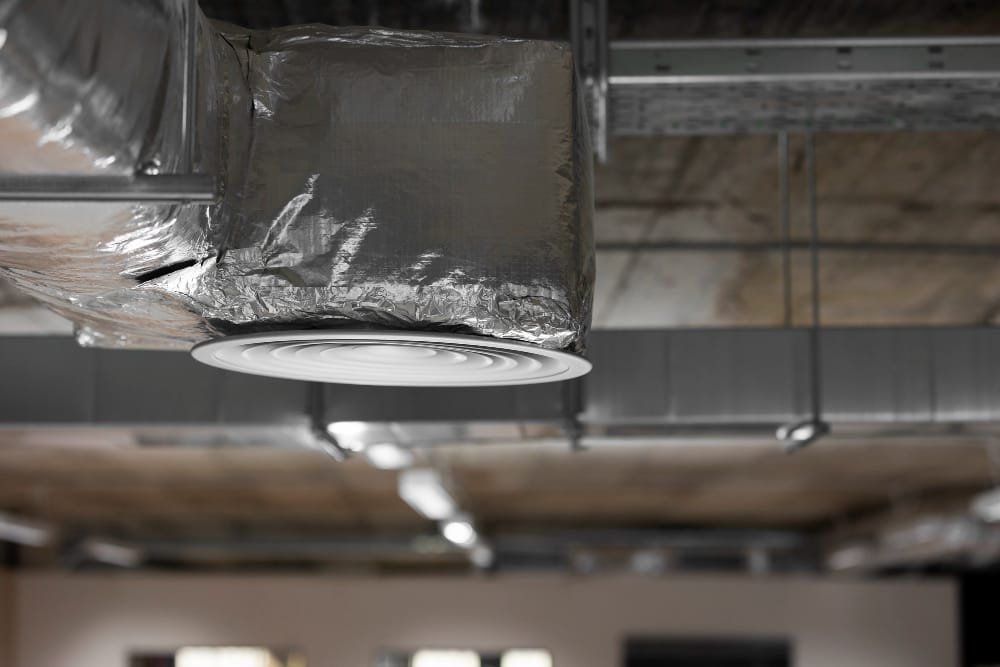
When your HVAC system runs, you expect all the conditioned air to reach every room in your home. Unfortunately, that’s not always the case. Hidden leaks within your ductwork can waste a significant amount of energy and reduce overall comfort. In Massachusetts homes—where heating and cooling costs can climb quickly—this inefficiency can hit both your comfort and your wallet. Duct leakage testing is one of the most effective ways to uncover these issues and restore system performance. At Home Energy Efficiency Consultants, we specialise in pinpointing air leaks that compromise efficiency and offering tailored solutions to seal them permanently. The Role of Ductwork in Home Energy Efficiency Your home’s ductwork acts like a distribution network for heated or cooled air. When it’s properly sealed, this system delivers air efficiently to each room, keeping temperatures consistent and energy costs under control. However, many Massachusetts homes—especially older properties—have ducts running through attics, basements, or crawl spaces where temperature extremes and structural movement can create cracks, holes, or disconnected joints. Even a small amount of leakage can result in 20–30% of conditioned air escaping before it reaches its destination. The outcome? Uneven heating or cooling, higher utility bills, and extra strain on your HVAC system. Over time, this inefficiency can shorten the lifespan of your equipment and compromise indoor air quality. The Process of Professional Duct Leakage Testing At Home Energy Efficiency Consultants, duct leakage testing follows a structured and accurate process designed to measure how much air is escaping from your system. 1. Preparation and System Isolation All supply and return registers are temporarily sealed to create a closed environment. This step ensures that the test measures air leakage through the duct system itself, not through open vents or registers. 2. Pressurisation Using a Duct Blaster A specialised fan, known as a duct blaster, is connected to the duct system. This device pressurises the ducts, allowing our technicians to record the amount of air required to maintain a steady pressure. 3. Measuring Leakage The airflow readings are analysed to determine how much air is escaping through leaks, cracks, or disconnections. The results are expressed in cubic feet per minute (CFM) at a given pressure level—providing a clear picture of your system’s performance. 4. Reporting and Recommendations After the test, you’ll receive a detailed report outlining leakage levels, where losses are occurring, and our recommendations for sealing or repair. This data-driven approach eliminates guesswork and ensures that any improvements are targeted and effective. This entire process typically takes one to two hours, depending on the size and complexity of your ductwork. Common Indicators of Duct Leakage in Massachusetts Homes Many homeowners are unaware of how much air escapes through their ducts because the leaks are often hidden behind walls or insulation. However, there are some telltale signs that suggest testing is overdue: If you’ve noticed any of these problems, a professional duct leakage test can identify the cause and guide you toward a solution that restores comfort and efficiency. Impact on Indoor Comfort and Air Quality Leaky ducts don’t just waste energy—they also compromise indoor comfort and air quality. In Massachusetts, where seasonal changes are dramatic, these effects become even more noticeable. When conditioned air escapes through leaks, your HVAC system compensates by running longer to maintain the desired temperature. This can create uneven room temperatures and persistent discomfort. Additionally, leaks located in dusty or contaminated areas can draw in pollutants, allergens, or insulation fibres. This contaminated air is then circulated throughout the home, aggravating allergies and respiratory issues. Proper sealing restores control over airflow and helps maintain a healthier indoor environment. Energy Savings and Efficiency Gains The financial and environmental benefits of duct leakage testing are significant. Studies by the U.S. Department of Energy show that sealing leaks can improve overall HVAC efficiency by up to 20% or more. For Massachusetts homeowners, that means: Considering the relatively low cost of testing compared to the long-term savings, it’s one of the smartest investments a homeowner can make. Duct Sealing Solutions After Testing Once leaks have been identified, the next logical step is to seal them properly. At Home Energy Efficiency Consultants, we use industry-approved methods to ensure durable, long-lasting results. Mechanical Sealing This involves applying mastic sealant or metal-backed tape to close gaps and joints manually. It’s ideal for accessible areas of ductwork and delivers immediate performance improvement. Aeroseal or Aerosol Sealing In cases where ducts are hidden or hard to reach, an aerosol-based sealing technology can be used. This process distributes microscopic sealant particles throughout the duct system, automatically targeting and sealing even the smallest leaks. Both methods are safe, effective, and designed to meet Massachusetts building standards for energy efficiency. Learn More: How Energy-Efficient Upgrades Impact Your HERS Score in MA Long-Term Benefits Beyond Energy Savings The advantages of duct leakage testing extend beyond immediate efficiency gains. When your ductwork is properly sealed, your entire HVAC system operates under less strain. This reduced workload translates into a longer lifespan for compressors, blowers, and motors—components that are expensive to replace. Furthermore, maintaining optimal airflow helps protect humidity balance and comfort throughout the home. It also ensures that any air filtration or purification systems connected to your ducts work more effectively. Over time, these improvements contribute to a more comfortable, stable, and healthy living environment—something every Massachusetts homeowner values. Integration with Home Energy Audits Duct leakage testing is often part of a broader home energy audit, which evaluates how efficiently your entire property uses energy. As part of this assessment, we examine insulation levels, air sealing, ventilation, and HVAC performance. Combining duct testing with a full energy audit gives a complete picture of where your home is losing energy and how to address it systematically. At Home Energy Efficiency Consultants, our holistic approach ensures you get solutions that deliver measurable, lasting results rather than isolated fixes. Factors That Influence Duct Leakage in Massachusetts Homes Several factors contribute to duct leakage, particularly in the local climate: By addressing these root causes, homeowners can